Peptide therapy is everywhere lately. A friend swears it fixed their recovery, a podcast host won’t stop talking about it, someone at the gym is “on peptides.” If you’re peptide-curious in Miami but a little allergic to hype, good. You should be. Here’s a grounded look, minus the sales pitch, from the team at our South Florida practice.
First, What Are Peptides?
Short version: peptides are tiny chains of amino acids, and your body already makes thousands of them. They work like messengers. They tell cells to repair, release a hormone, settle inflammation, that kind of thing. Cleveland Clinic points out that plenty of your own hormones are peptides. So therapeutic peptides aren’t some exotic outside substance. They’re an attempt to work with a language your body already speaks fluently.
The GLP-1 Connection Nobody Mentions
Quick plot twist. Those weight loss drugs dominating every feed right now? Peptides. Semaglutide mimics a natural gut hormone, and Cleveland Clinic lays out how that signaling actually works. So if you’ve been reading up on medical weight loss, you already grasp peptides better than you’d guess. Different peptides do different jobs: some aim at recovery, some at metabolism, some at growth-hormone pathways. One common thread runs through all of it. Signaling.
Let’s Be Honest About the Evidence
This is where we pump the brakes. Some peptides have solid research behind them. Others, not so much, and the quality swings widely from one to the next. The Endocrine Society is clear that hormone-related therapies belong under proper medical supervision, and we’re right there with them. We’re not going to hand you a vial and wish you luck. What we can do is work out whether a specific peptide genuinely fits your situation, then keep watch if it does.
Who Actually Considers Peptides?
Usually it’s adults after better recovery, body composition, or energy, that general “I want to feel like myself again” itch. But candidacy isn’t a vibe. It rests on your labs, your history, and your goals. What suits your training partner might be pointless for you, or flat-out wrong. If you’re dragging and tired of guessing, that’s exactly what a consultation is for. No pressure, no upsell. Just a straight read on where you stand.
Frequently Asked Questions
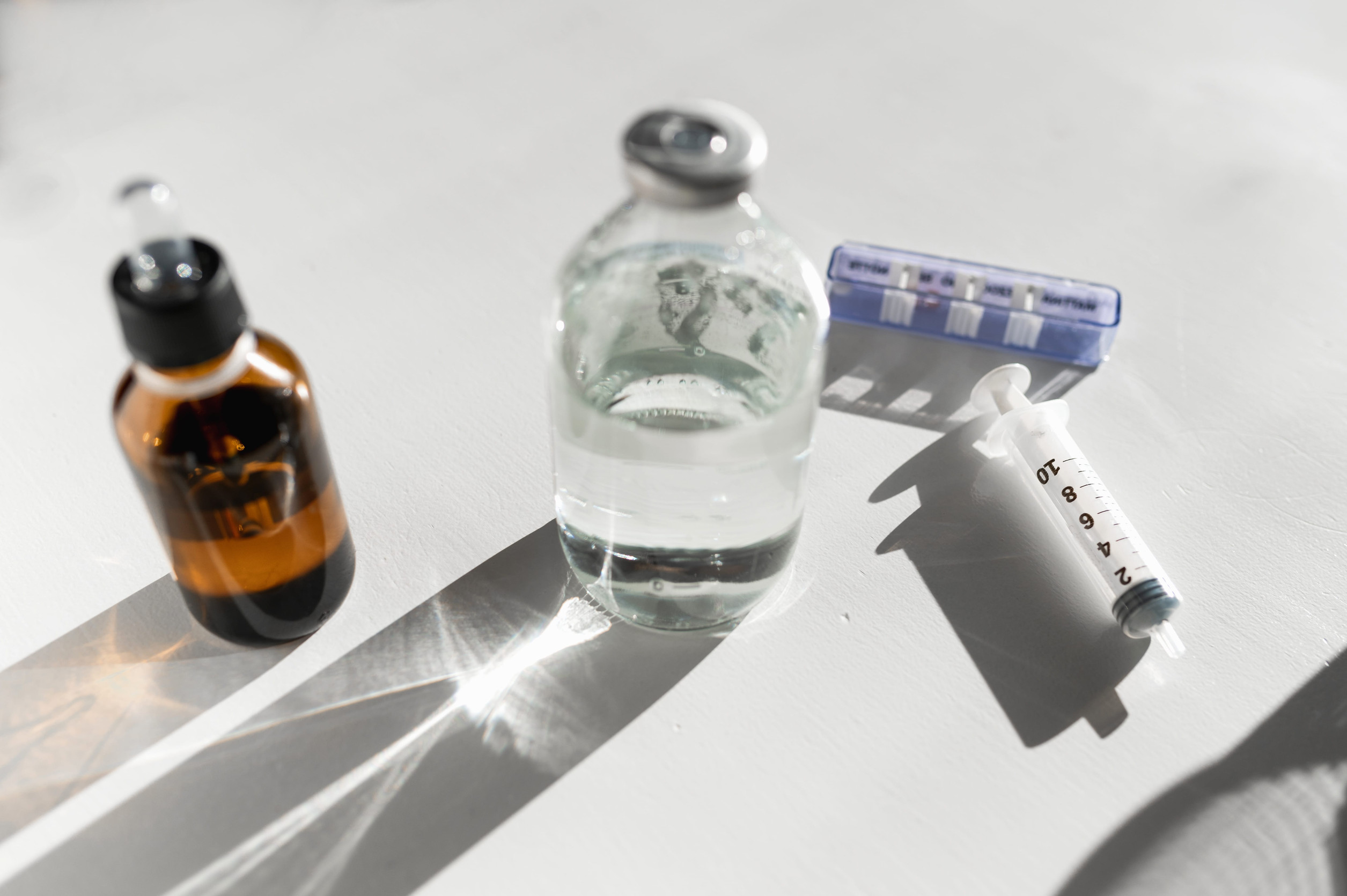
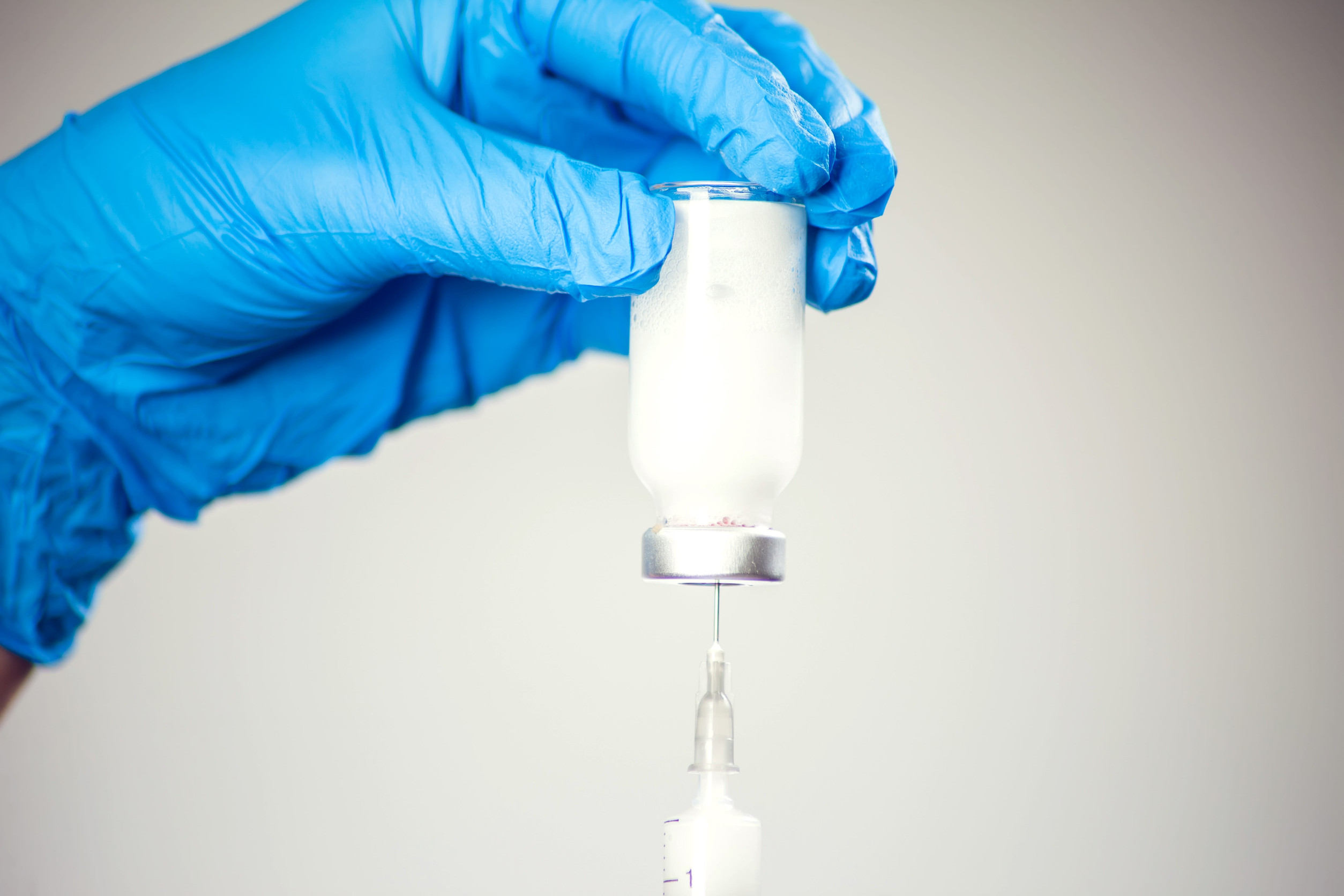
Q: How is peptide therapy given? A: Many peptides are given as small injections under the skin, similar to how GLP-1 medications are administered. Some come in other forms. Your provider will walk you through the specifics for whatever fits your plan.
Q: How soon might I notice a difference? A: It depends entirely on the peptide and the goal. Some effects build gradually over weeks. We set honest timelines up front so you know what to watch for and when.
Q: Is peptide therapy safe? A: With proper screening and supervision, many people tolerate it well, though it isn’t right for everyone. That’s the reason we test and monitor rather than guess.
Curious If Peptides Are Worth It for You?
The smartest first move with peptide therapy is a real conversation with people who won’t oversell it. At Timeless Age Medical, we’ll look at your health honestly and tell you what’s actually worth your time and money. Call (954) 455-8400 or schedule a complimentary consultation at our Hallandale Beach or Davie office.
Disclaimer
This article is for general education and isn’t medical advice or a diagnosis. Peptide therapies vary in evidence and appropriateness, and results differ by person. Any protocol should be evaluated and supervised by a qualified medical provider before you begin.